Project Overview
The Karnali Corridor 400 kV Transmission Line Project is a strategic national transmission infrastructure project being developed by Rastriya Prasaran Grid Company Limited (RPGCL) to evacuate electricity generated from the hydropower projects of the Karnali Basin and integrate it into Nepal’s national transmission grid.
The project connects Phukot in Kalikot, Betan in Surkhet, and Dododhara in Kailali through a 400 kV double-circuit transmission system. The approximately 96 km Phukot–Betan–Dodhara section forms a major component of the wider Karnali Corridor, which is planned to support the evacuation of large-scale hydropower generated in western Nepal. The wider corridor is also intended to support future cross-border electricity transmission and power export to India. N
Current Project Status
Status: Construction Underway
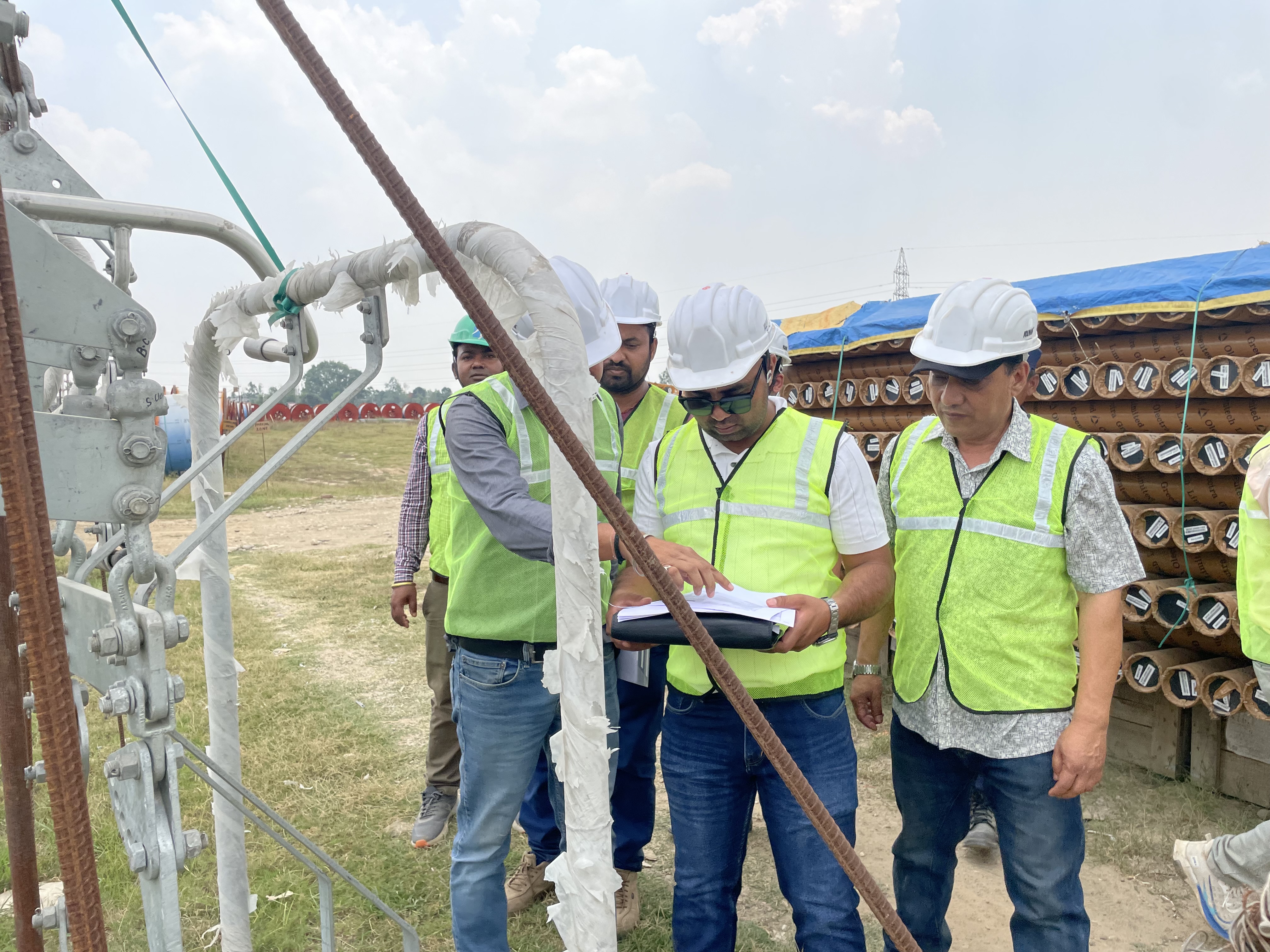
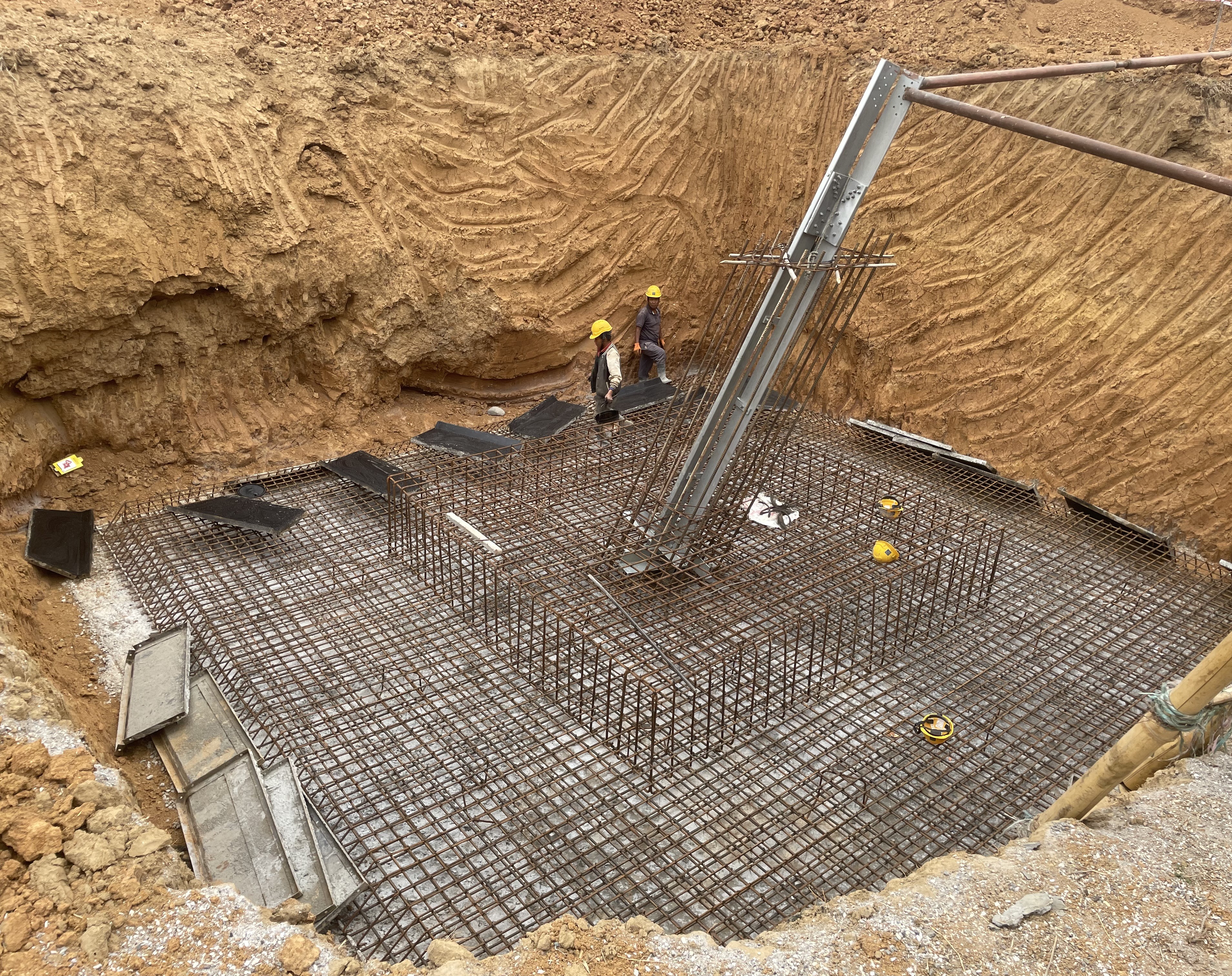
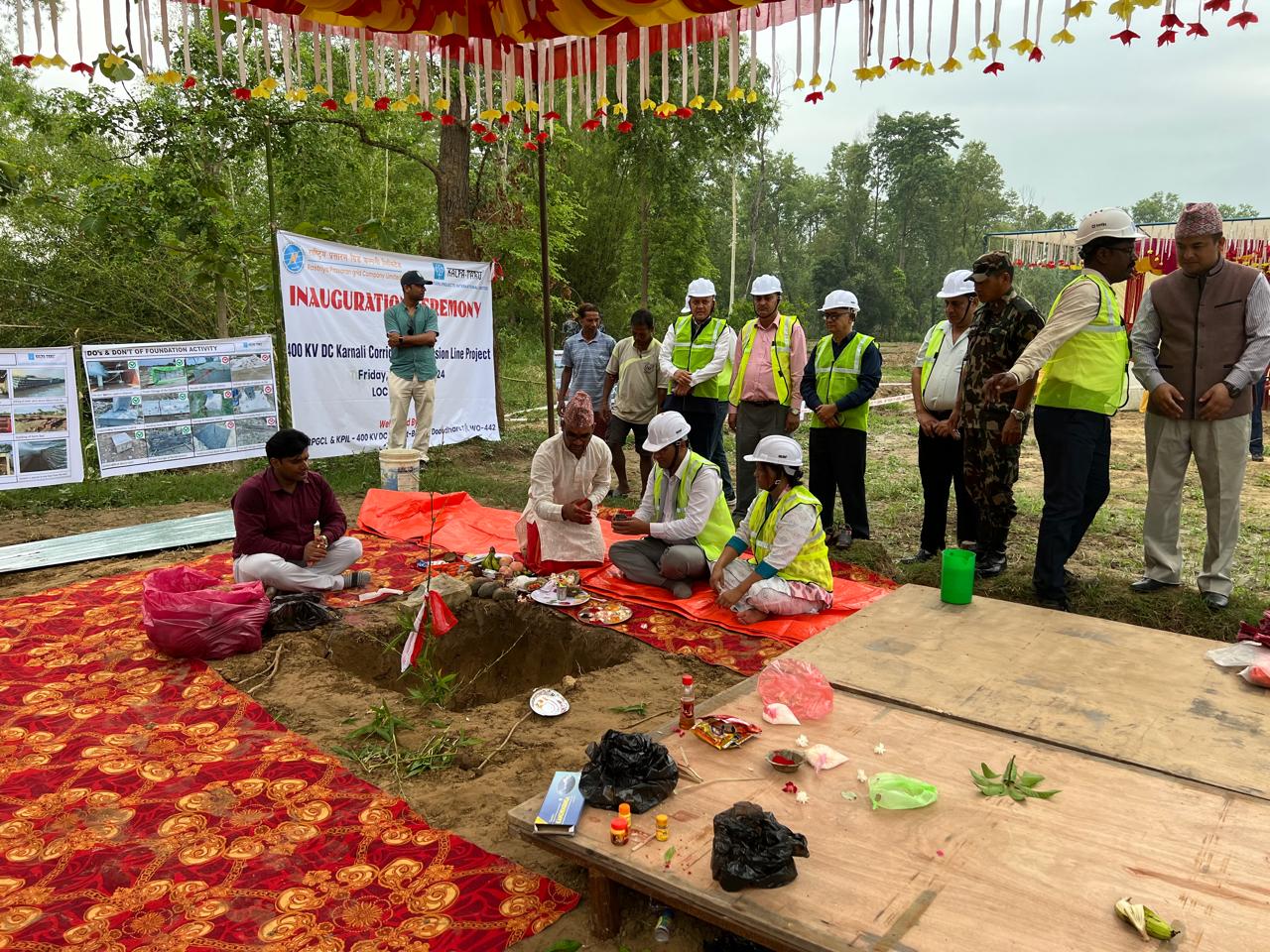
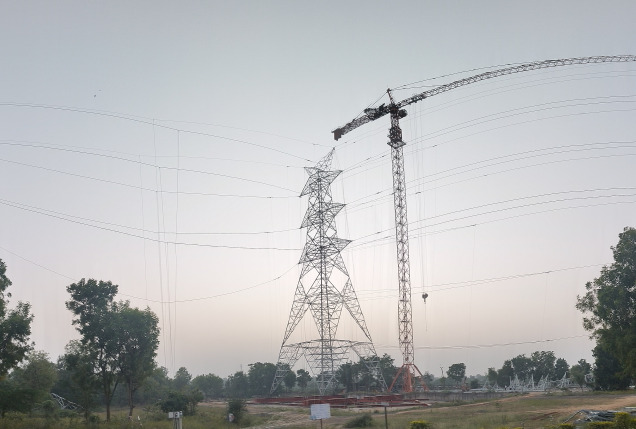
Construction of the Karnali Corridor 400 kV transmission line is currently underway. Tower construction activities have progressed following the commencement of tower foundation works, while transmission tower testing and foundation construction have also been carried out as part of the project implementation. RPGCL and its construction contractor, Kalpataru Projects International Limited (KPIL), have been involved in the ongoing construction and testing activities.
NEA Engineering Company Limited is providing design review and construction supervision services for the project. Recent project information identifies the Phukot–Betan–Dodhara section as an ongoing construction project.
Project Scope
The current Phukot–Betan–Dodhara transmission system comprises approximately 96 km of 400 kV double-circuit transmission line and three associated 400/132 kV substations at Phukot, Betan, and Dododhara. The system is designed to facilitate the evacuation of hydropower generated within the Karnali Basin and its integration into the national grid.
The wider Karnali Corridor concept extends beyond the current 96 km construction package toward Karmadev and the Nepal–India border, creating the potential for future cross-border electricity transmission.
Key Infrastructure
- Transmission Voltage: 400 kV
- Configuration: Double Circuit
- Current Construction Section: Phukot–Betan–Dodhara
- Transmission Line Length: Approximately 96 km
- Associated Substations: Phukot, Betan and Dododhara
- Substation Voltage Level: 400/132 kV
- Planned Power Evacuation: Up to approximately 4,000 MW from the Karnali Basin
- Major River Crossing: Karnali River, with a long-span crossing of approximately 1,300 m
- Maximum Elevation: Approximately 2,100 m
- Project Districts: Kalikot, Achham, Dailekh, Surkhet and Kailali
- Construction Contractor: Kalpataru Projects International Limited (KPIL), India
- Design Review & Construction Supervision: NEA Engineering Company Limited
Hydropower Evacuation
The Karnali Corridor is being developed to provide transmission capacity for the rapidly expanding hydropower potential of the Karnali Basin. Major hydropower projects associated with the corridor include Phukot Karnali, Betan Karnali, Tila-1 and Tila-2, along with other hydropower projects under development and investigation.
The transmission system will provide the infrastructure required to evacuate generated electricity to the national grid, reduce transmission constraints, improve grid reliability, and support the increasing integration of renewable energy into Nepal's power system.
Strategic Importance
The Karnali Corridor is considered a strategically important transmission infrastructure project for western Nepal. By connecting major hydropower generation areas with the national grid, the project will help unlock the region's substantial renewable energy potential.
The project is expected to:
- Improve the evacuation of electricity from the Karnali Basin.
- Strengthen the national transmission network.
- Improve grid stability and reliability.
- Reduce transmission constraints and technical losses.
- Support the development of additional hydropower projects.
- Reduce dependence on electricity imports.
- Create capacity for increased electricity exports.
- Provide infrastructure for future cross-border power transmission with India. N
Geographic and Environmental Setting
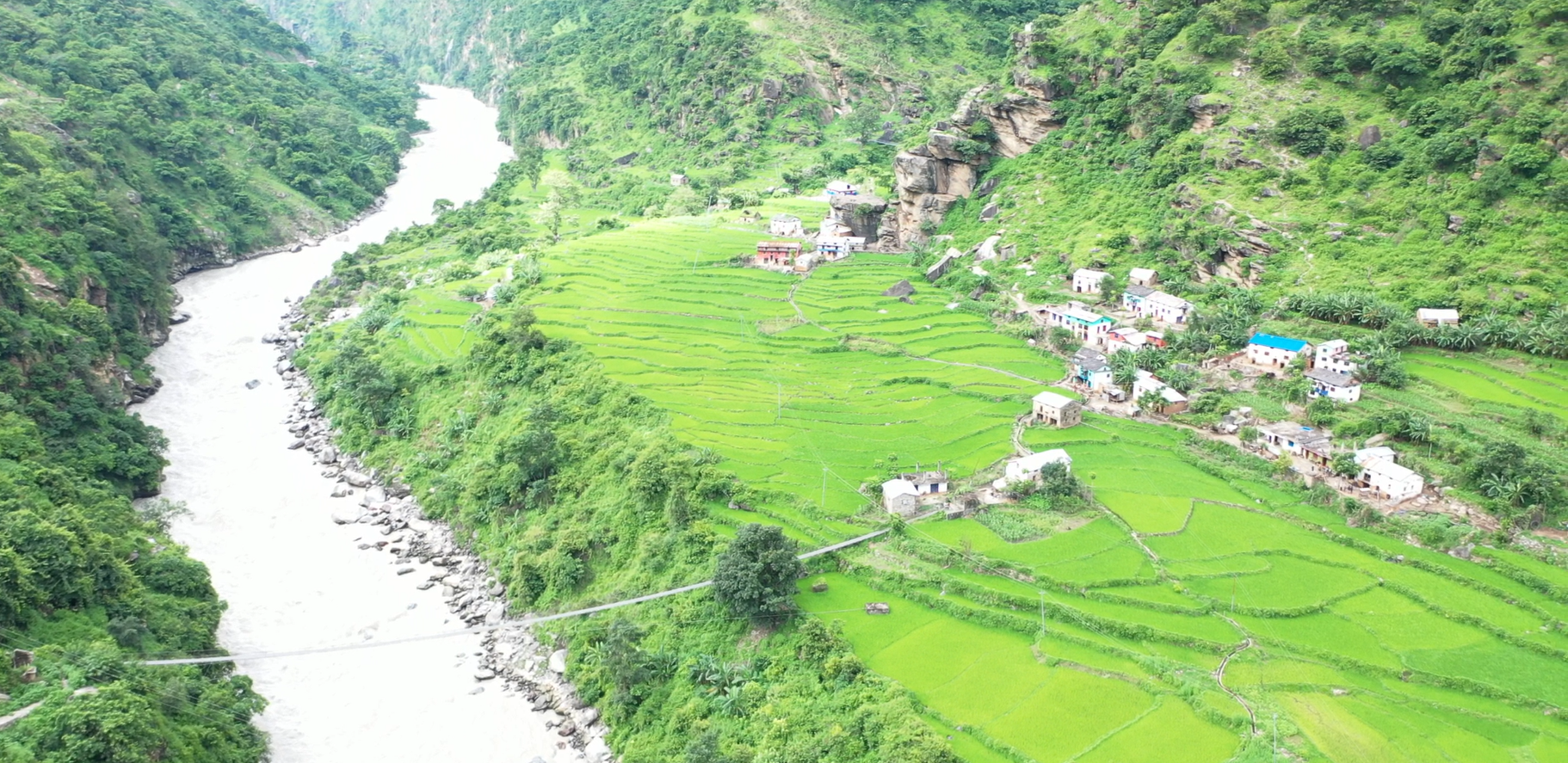
The transmission corridor passes through predominantly mountainous and hilly terrain, with some relatively flatter areas toward Kailali. The route reaches elevations of approximately 2,100 metres and includes a major crossing of the Karnali River. Due to the long river span, specialized tower arrangements are required to maintain the necessary electrical and water-level clearances. N
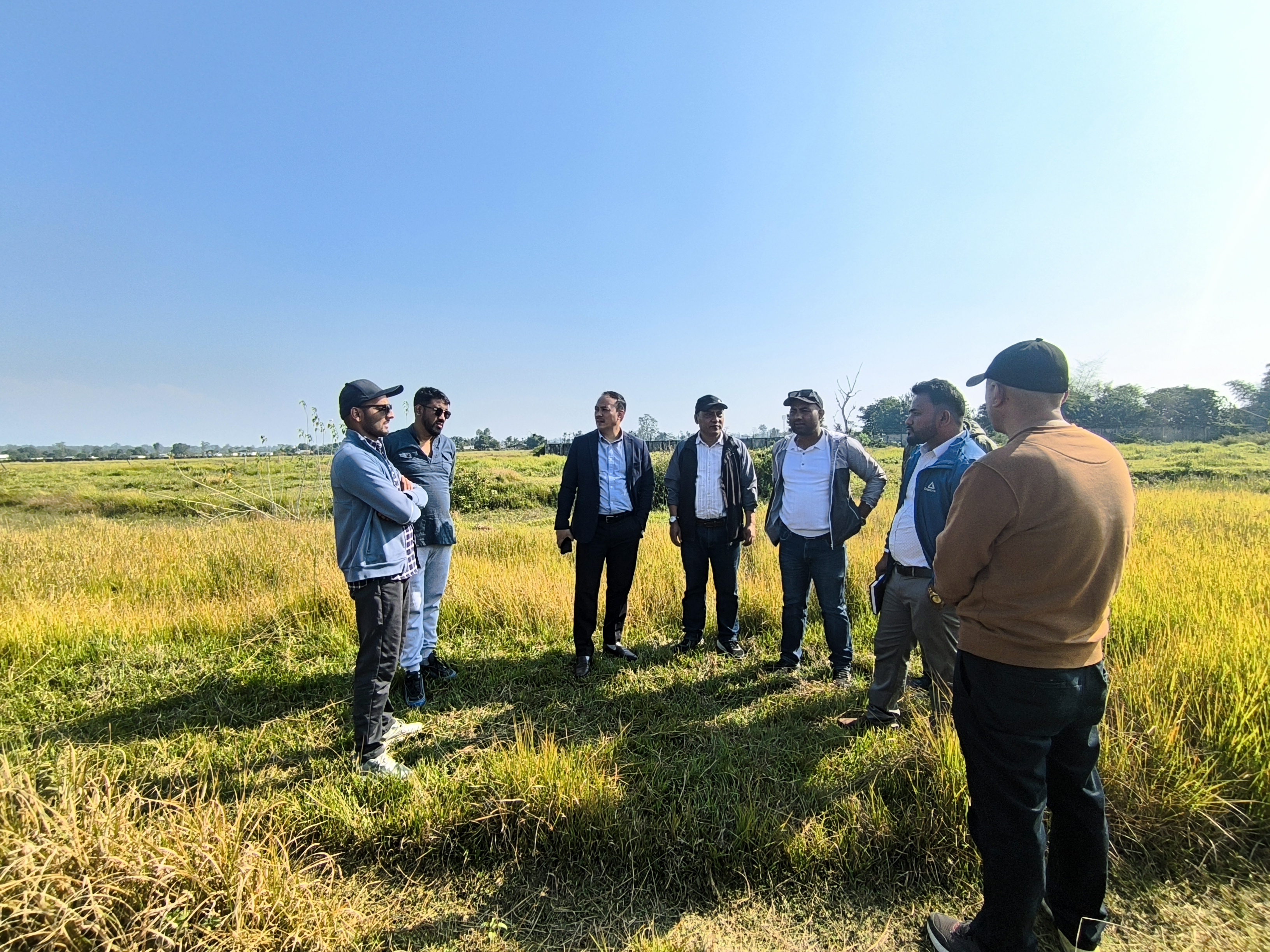
The project area includes parts of Kalikot, Achham, Dailekh, Surkhet and Kailali districts. Construction activities therefore involve management of land requirements, Right of Way (RoW), tower foundation sites, access arrangements, vegetation clearance, occupational health and safety, and community and environmental impacts.
Future Outlook
The Karnali Corridor is envisioned as more than a transmission line for individual hydropower projects. It forms part of Nepal's long-term strategy to develop high-capacity transmission infrastructure along major river basins and connect renewable energy generation with domestic demand centres and future cross-border electricity markets.
The wider corridor's planned connection toward the Nepal–India border could provide an important route for exporting surplus hydropower and strengthening Nepal's position in the regional electricity market.
Technical Specifications
- Province
- Karnali, Sudur Paschim
- Location/Affected Area
- Kalikot, Achham, Dailekh, Surkhet, Kailali
- Power Evacuation Capacity
- Up to 4,000 MW
- Voltage
- 400 kV
- Transmission Line Length
- 121 km (96 km under construction)
- Substations
- Phukot, Betan, Dododhara
- Substation Capacity
- 160 MVA, 160 MVA, 1000MVA
- Targeted Completion
- 2085/86
- Tentative Budget Required
- 200M USD
- Major Hydropower Projects
- Phukot Karnali (480MW), Betan Karnali (688MW), Tila-1 (440MW), Tila-2 (420MW)
rgsdrddddddddddsgddsdgsgsgsgsgsgsgsgsgsg
Gallery